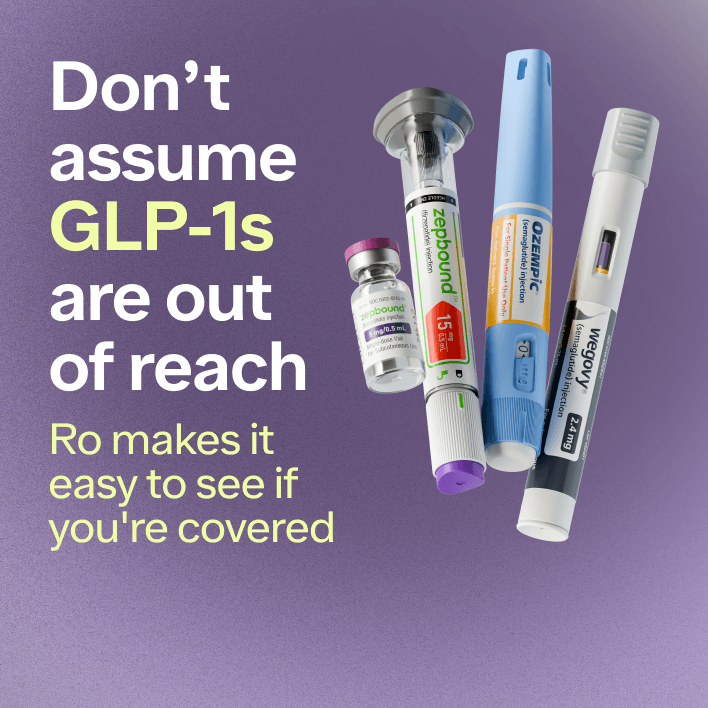
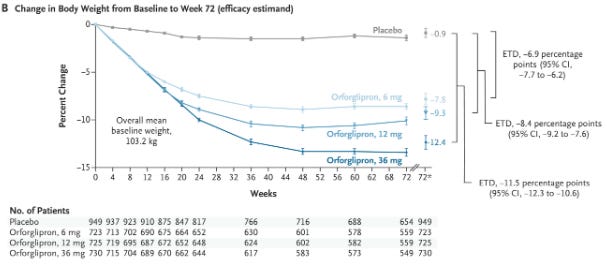
Based on the research and clinical trials, here are the disease states and associated risk reductions with GLP-1 medications: Cardiovascular Disease: Major adverse cardiovascular events (MACE): 20-26% reduction Heart attack: ~20% reduction Stroke: ~20% reduction Cardiovascular death: ~15-20% reduction Heart Failure: Heart failure with preserved ejection fraction (HFpEF): Improved symptoms, exercise tolerance, and body composition Heart failure hospitalizations: Reduced (specific percentages vary by study) Kidney Disease: Progression to end-stage renal disease: 20-30% reduction Decline in eGFR: Slowed progression Type 2 Diabetes: Progression from prediabetes to diabetes: Reduced risk (specific percentage varies) Liver Disease: NAFLD/NASH improvement: Reduced liver fat and inflammation Liver enzyme normalization: Significant improvement in ALT/AST Obesity-Related Complications: Body weight reduction: 10-15% (semaglutide), 15-22% (tirzepatide) Visceral fat reduction: Substantial decrease Metabolic Syndrome Components: Blood pressure: 5-10 mmHg reduction in systolic BP Triglycerides: 20-30% reduction Insulin resistance: Significant improvement Cancer: (emerging data) Overall cancer risk: Potential reduction (10-20% suggested in some observational studies) Specific cancers linked to obesity/metabolic dysfunction: Reduced risk observed Neurodegeneration: (preliminary data) Alzheimers disease progression: Some trials are ongoing, but recent data have been unpromising
GLP-1 Friendly Foods That Are Easy to Eat and Easy to Digest High protein foods that can work well while taking GLP-1 medications include lean meat, such as beef, chicken, turkey, fish, and even occasionally, pork
Glutathione Nasal Spray is a brain-first format for mental clarity and focus combined with simple, on-the-go usage
In an evaluation of 28 elderly individuals using acetyl-l-carnitine or placebo, the supplemented group experienced enhanced emotional well-being